Propanoic Acid
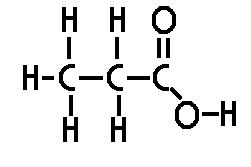
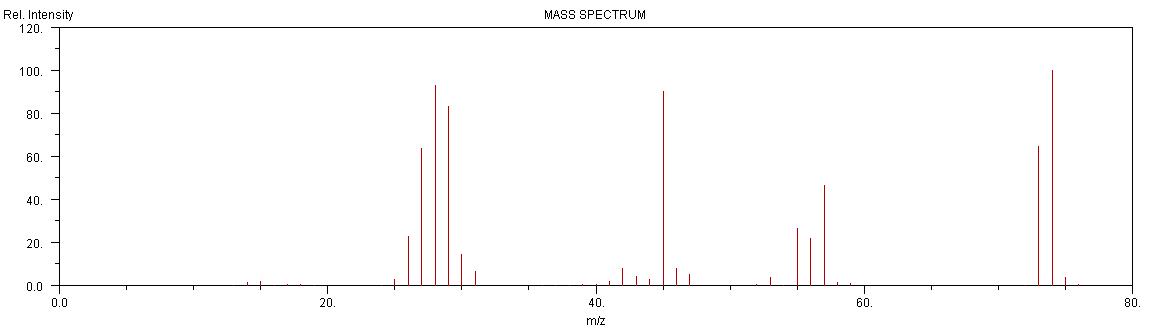
The Mass Spectrum for propanoic acid
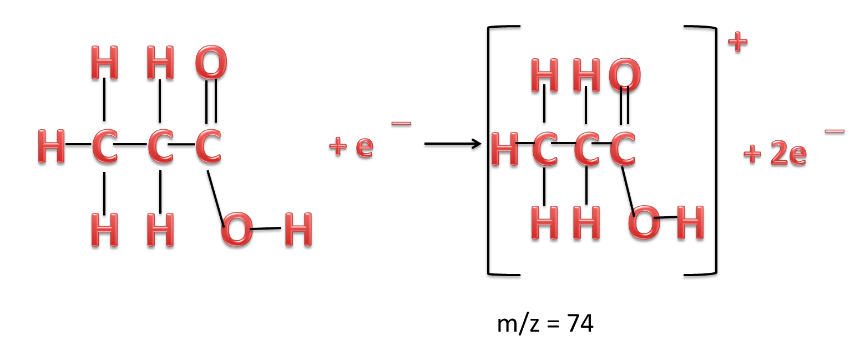
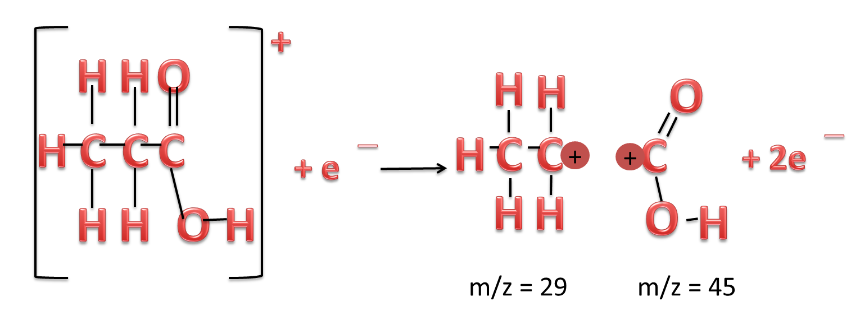
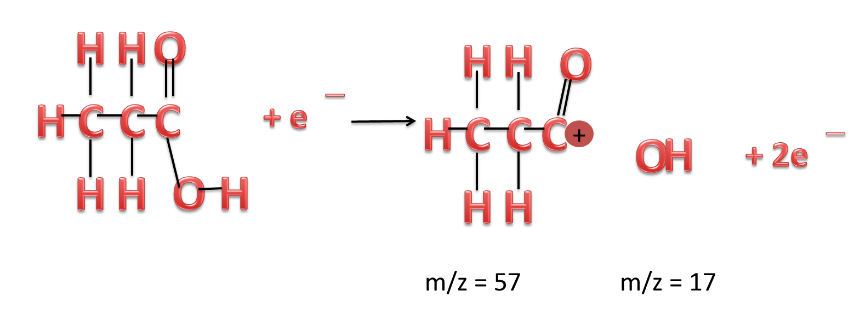
Propanoic acid can be fragmented to give:
- m/z = 74
- m/z = 29
- m/z = 45
- m/z = 57
- m/z = 17
The IR Spectrum for propanoic acid

This IR spectra has all the peaks associated with carboxylic acids which is what propanoic acid is. It has a C O peak at wavenumber 1000 to 1300. There is a peak at 1640 to 1750 wavenumber indicating a C=O bond. There is a very broad peak at wavenumber 2500 to 3300 indicating a O H bond.
Propan-1-ol
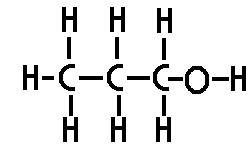
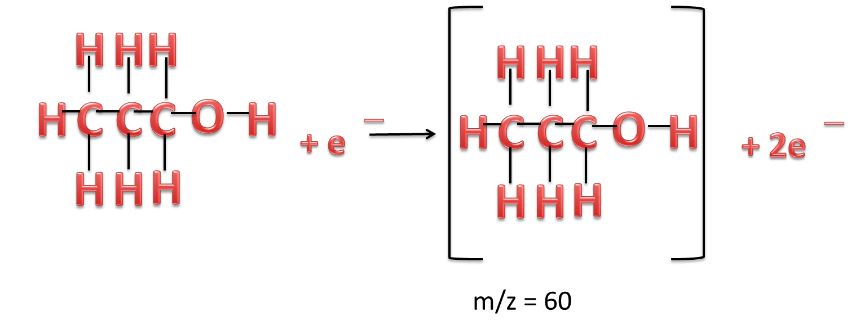
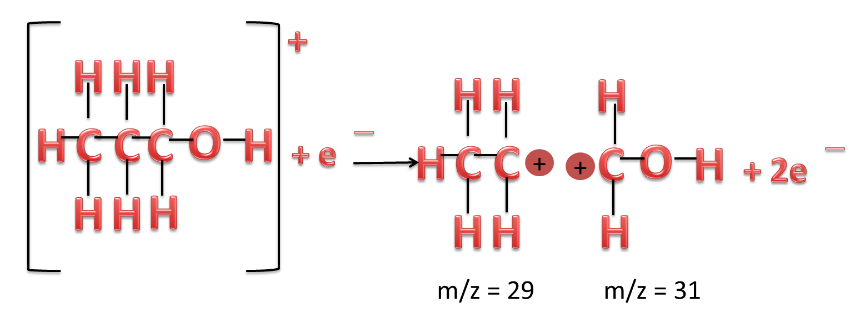
The Mass Spectrum for propan-1-ol
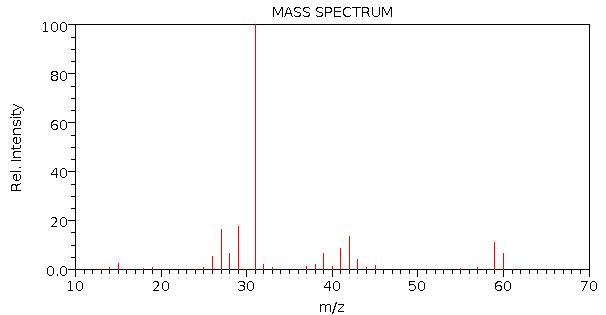
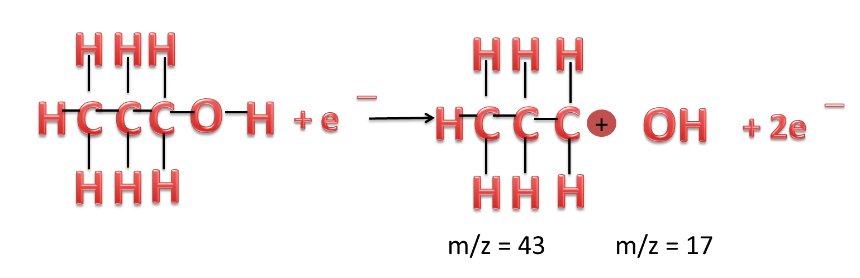
Propan-1-ol can be fragmented to give:
- m/z = 60
- m/z = 29
- m/z = 31
- m/z = 43
- m/z = 17
The IR Spectrum for propan-1-ol
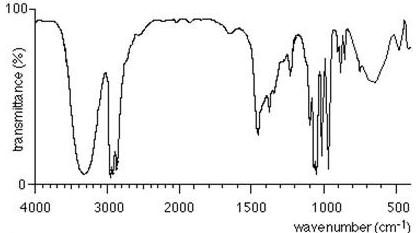
This IR spectra has all the peaks associated with alcohols which is what propan-1-ol is. It has a C O peak at wavenumber 1000 to 1300. There is a broad peak at wavenumber 3200 to 3550 indicating a O H bond.
Propanone

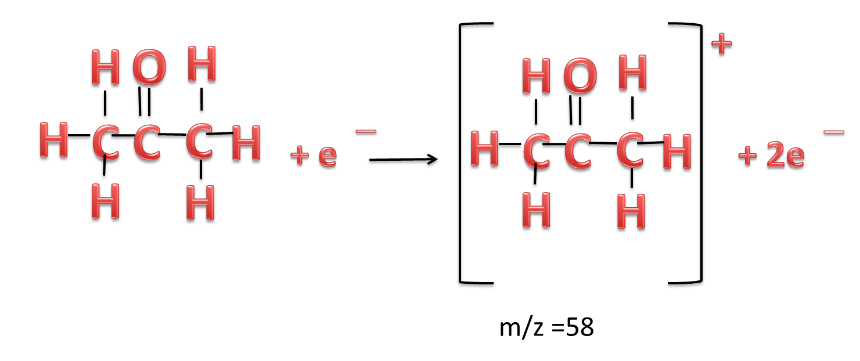
The Mass Spectrum for propanone
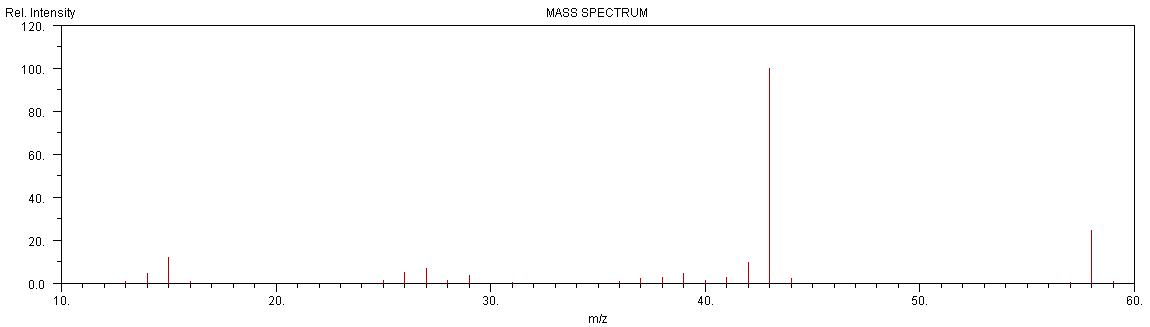
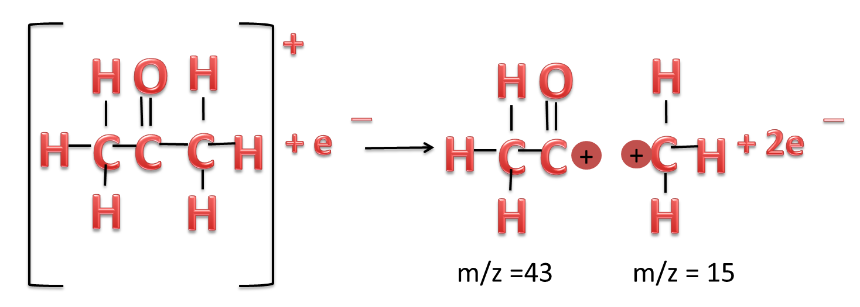
Propanone can be fragmented to give:
- m/z = 58
- m/z = 43
- m/z = 15
The IR Spectrum for propanone
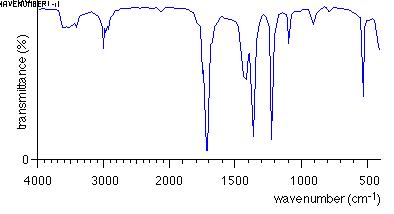
This IR spectra has the peak associated with ketones such as propanone. It has a C=O peak at wavenumber 1640 to 1750.
Propanal

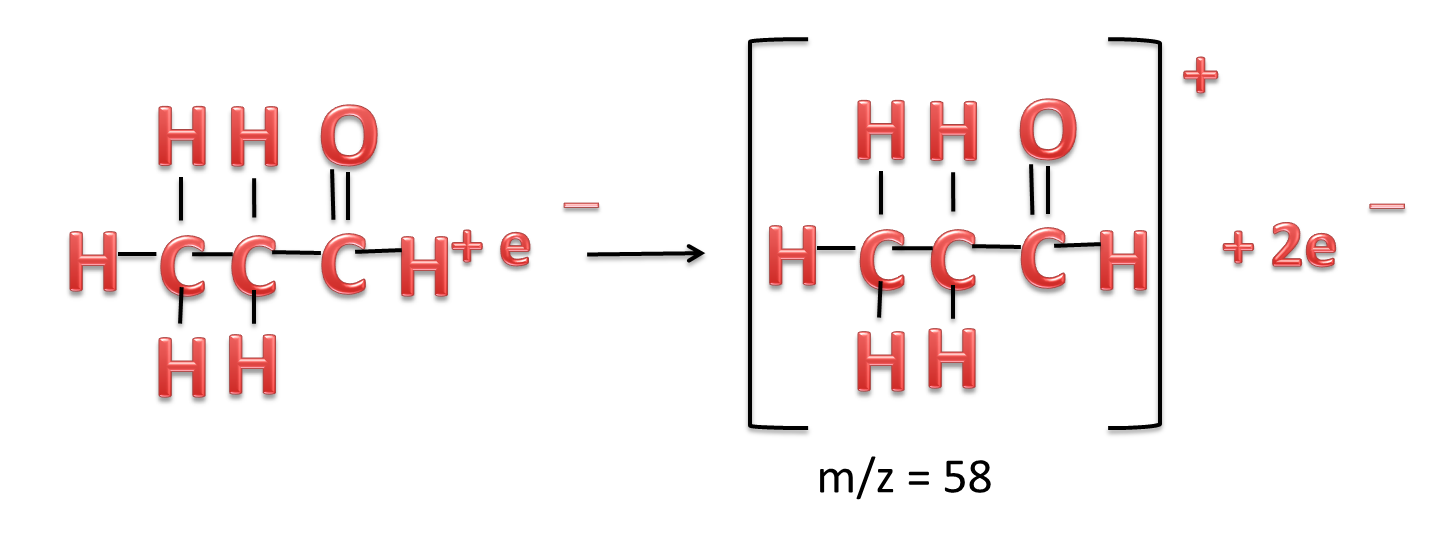
The Mass Spectrum for propanal

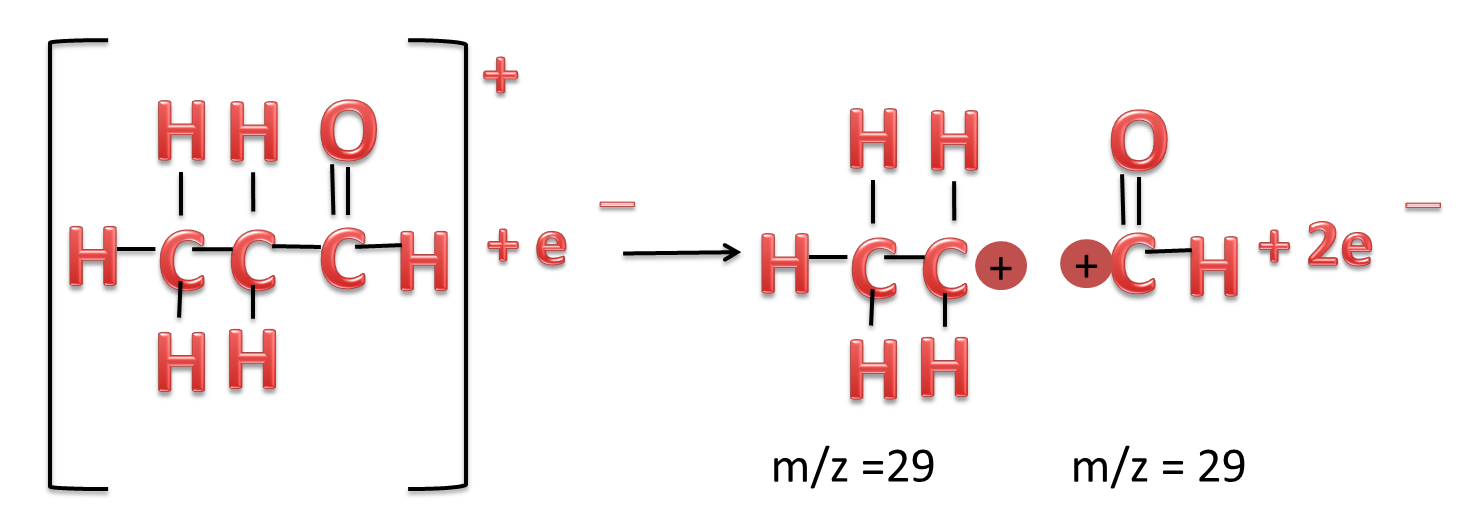
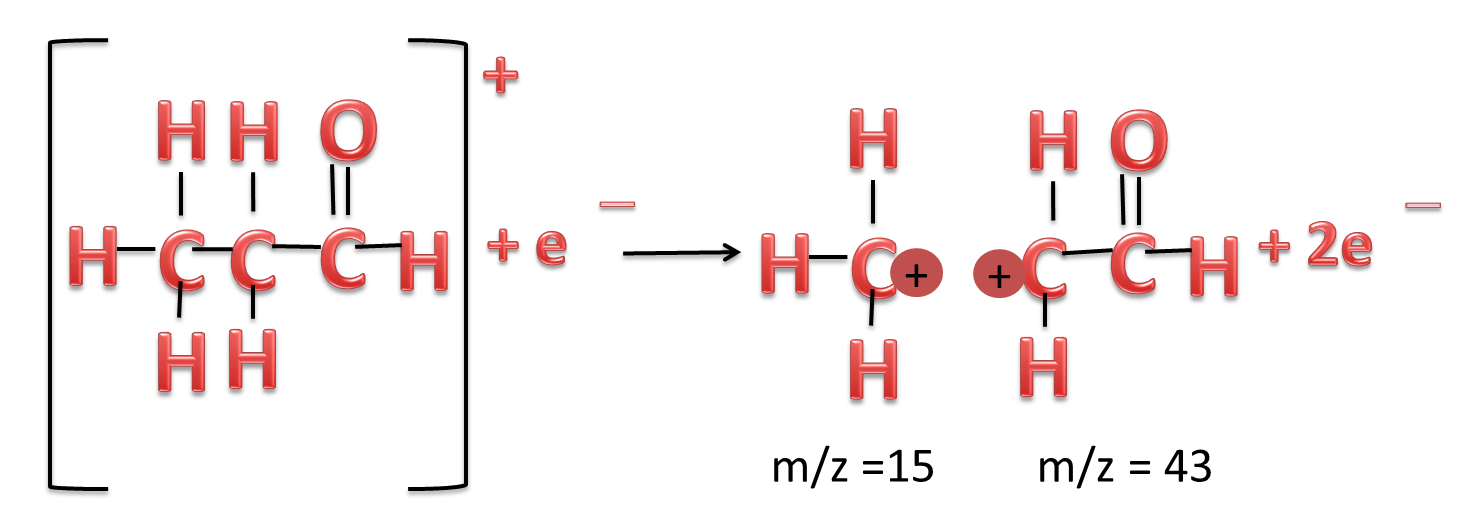
Propanal can be fragmented to give:
- m/z = 58
- m/z = 29
- m/z = 29
- m/z = 43
- m/z = 15
The IR Spectrum for propanal
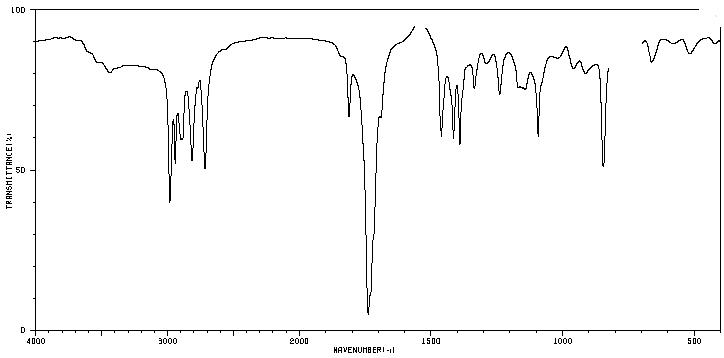
This IR spectra has the peak associated with aldehydess such as propanal. It has a C=O peak at wavenumber 1640 to 1750.
